
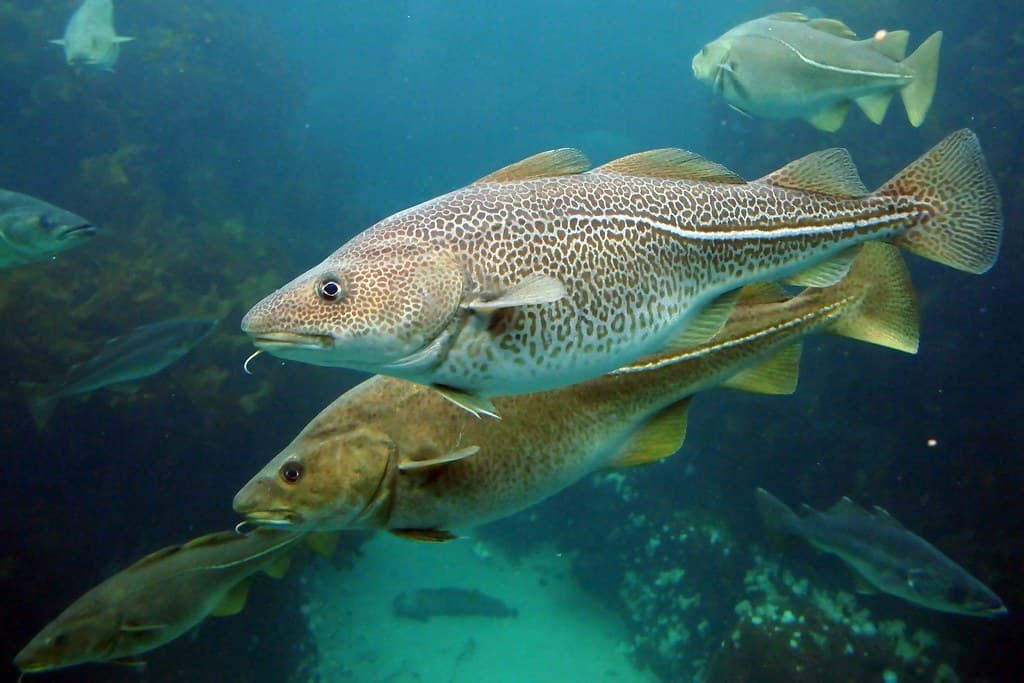
North Sea cod
The cod is living at the bottom of the sea, all across Norway, both in the fjords and out in the sea. But while it's only one species, the cod are not swimming all over and mixing. This gives different groups, called stocks, of fish in different regions that are genetically different from each other. One of these groups is the North Sea cod, which lives in the sea between Norway, UK, Denmark and other european countries.
Click to see image
North Sea cod
The cod is living at the bottom of the sea, all across Norway, both in the fjords and out in the sea. But while it's only one species, the cod are not swimming all over and mixing. This gives different groups, called stocks, of fish in different regions that are genetically different from each other. One of these groups is the North Sea cod, which lives in the sea between Norway, UK, Denmark and other european countries.
Click to see image
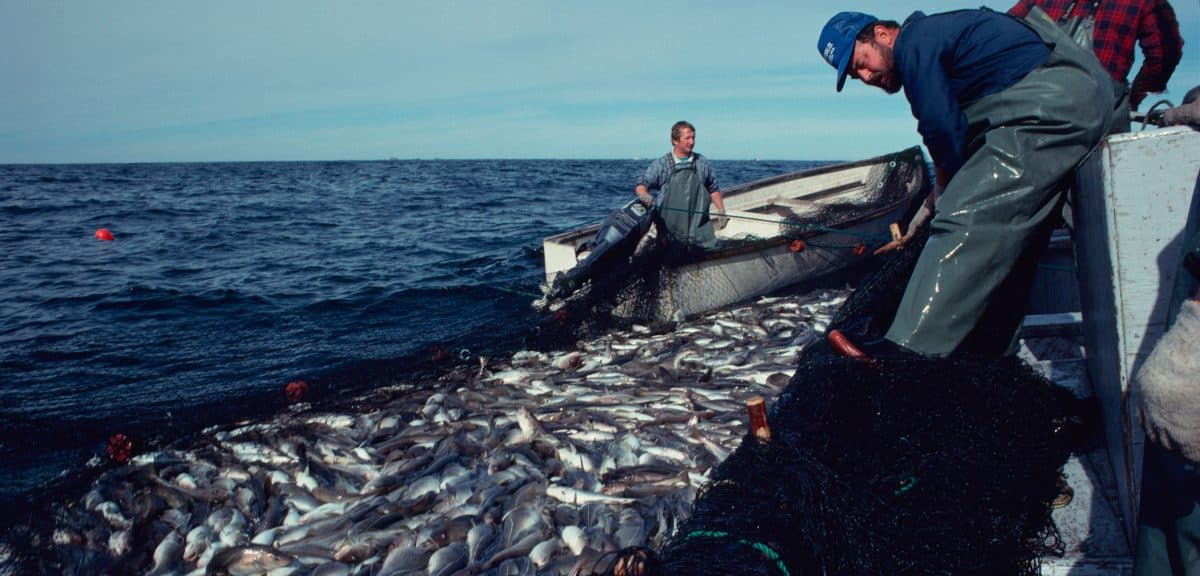
Fisheries
The cod is a good tasting fish, and many people make a living from fishing and selling cod. All of the countries bordering the north sea is interested in fishing the cod, and there are around 7000 ships fishing in this area. If we were to catch all the fish in one year, then there would be no fish for the future, therefore the goal is to take the most fish possible, without the stock decreasing over the years. That amount is called Maximum Sustainable Yield (MSY).
Click to see image
Fisheries
The cod is a good tasting fish, and many people make a living from fishing and selling cod. All of the countries bordering the north sea is interested in fishing the cod, and there are around 7000 ships fishing in this area. If we were to catch all the fish in one year, then there would be no fish for the future, therefore the goal is to take the most fish possible, without the stock decreasing over the years. That amount is called Maximum Sustainable Yield (MSY).
Click to see image
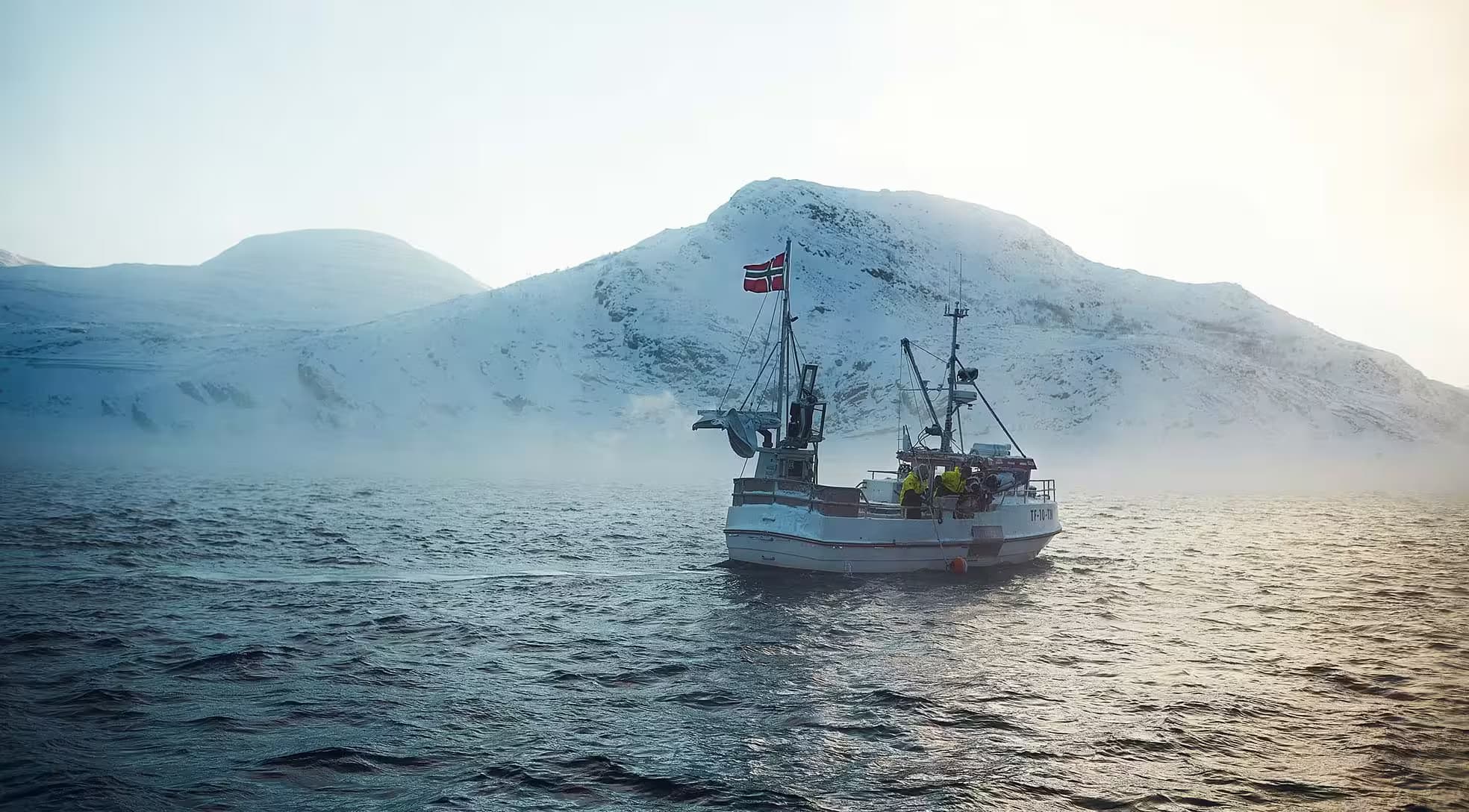
Impact of overfishing
In the last 60 years the amount of cod fished in the North Sea have been over the MSY-amount. When we do this it's called overfishing. Overfishing is affecting the cod in several ways. When a population gets reduced, we get a “bottle neck”-effect, where the amount of genetic diversity is reduced. This is by definition a reduction of biodiversity, and harms the species ability to adapt to changes, such as warmer temperature. The large reduction of the stock can also lead to a population size that's not able to grow bigger since population growth is density dependent. Following this it's possible that the stock collapses. Ecosystems are intricate systems. Following a species reduction or collapse, the rest of the ecosystem can respond by collapsing. This would be catastrophic for all of the countries, since it would affect all the other fisheries in the region. The ecosystem can also respond by a regime shift, where the ecosystem chain is rearranged, leaving out, or reducing the place for the cod. This would make a comeback for the cod even harder, maybe impossible. Recent studies argue that a such regime shift is now happening in the north sea. The southern stock of the cod is at the brink of collapse. But if overfishery is harming nature and the fisheries, why doesn't it just stop?
Click to see image
Impact of overfishing
In the last 60 years the amount of cod fished in the North Sea have been over the MSY-amount. When we do this it's called overfishing. Overfishing is affecting the cod in several ways. When a population gets reduced, we get a “bottle neck”-effect, where the amount of genetic diversity is reduced. This is by definition a reduction of biodiversity, and harms the species ability to adapt to changes, such as warmer temperature. The large reduction of the stock can also lead to a population size that's not able to grow bigger since population growth is density dependent. Following this it's possible that the stock collapses. Ecosystems are intricate systems. Following a species reduction or collapse, the rest of the ecosystem can respond by collapsing. This would be catastrophic for all of the countries, since it would affect all the other fisheries in the region. The ecosystem can also respond by a regime shift, where the ecosystem chain is rearranged, leaving out, or reducing the place for the cod. This would make a comeback for the cod even harder, maybe impossible. Recent studies argue that a such regime shift is now happening in the north sea. The southern stock of the cod is at the brink of collapse. But if overfishery is harming nature and the fisheries, why doesn't it just stop?
Click to see image
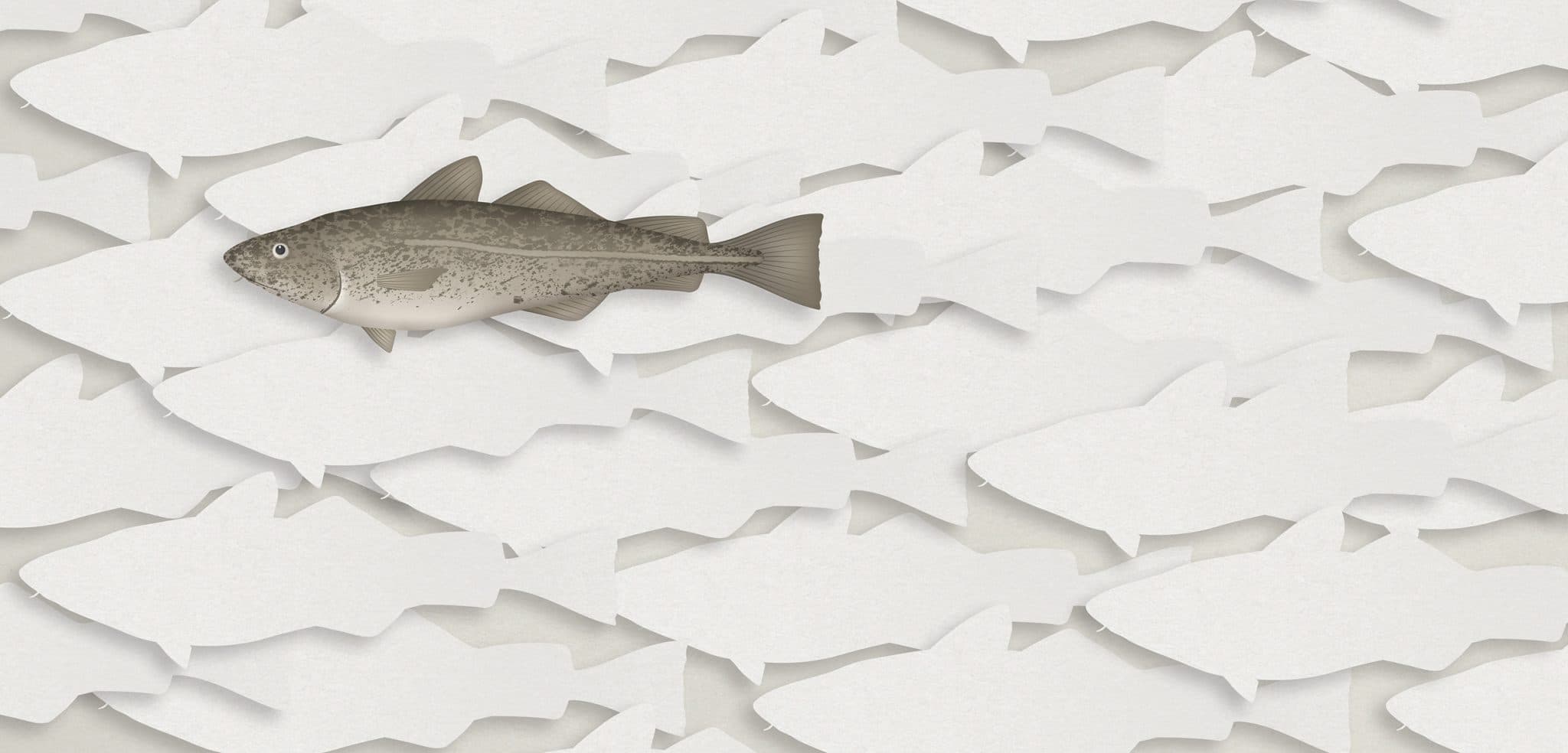
Short animation
A short animation showing how the North Sea cod population may react to overfishing.
Click to play
Short animation
A short animation showing how the North Sea cod population may react to overfishing.
Tap to play